
This week, we encounter one of the most psychologically complex and relevant stories in all of Torah, the tale of the twelve spies sent to scout the Promised Land. In parashat Shelach Lecha, we witness how fear can paralyse an entire generation but also how courage and faith can sustain us through the darkest moments.
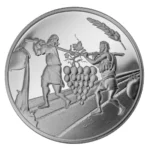
The setup is straightforward: Moses sends twelve leaders, one from each tribe, to explore the land God has promised them. They return after forty days with conflicting reports. Ten spies focus on the obstacles, the giant inhabitants, the fortified cities, and the seemingly impossible challenges. Only two, Joshua and Caleb, see the same reality but frame it differently: “We can surely go up and take possession of it, for we can surely overcome it.”
In our current moment, when we face what seem like overwhelming global challenges, we might recognise ourselves in this ancient story. We too are scouts surveying a landscape that can appear frightening.
But here’s where the Torah offers us profound wisdom about hope. The ten frightened spies weren’t lying. The challenges were real. The cities were indeed fortified; the inhabitants were indeed powerful. The Torah doesn’t ask us to minimise genuine difficulties or engage in false optimism. What it critiques is how fear can distort our vision and paralyse our ability to act with purpose.
Notice the language the fearful spies use: “We were like grasshoppers in our sight, and so we were in their sight too” (Nb 13:33). They begin by diminishing themselves and then assume others see them the same way. Fear becomes a self-fulfilling prophecy. When we’re overwhelmed by the magnitude of today’s challenges, we risk falling into this same trap, seeing ourselves as too small, too powerless to make a difference.
Joshua and Caleb see the same reality but maintain what we might call “sacred hope”—the”belief that they are not alone in their struggles, that there are resources and possibilities beyond what appears immediately visible. “If the Eternal is pleased with us, then God will bring us into this land and give it to us” (Nb. 14: 6). Their optimism isn’t wishful thinking; it’s an expression of the righteousness of their mission.
The consequence of the spies’ fear is forty years of wandering in the wilderness. God is angry, Moses tries to plead for his people, and God cools down, but then God realises that they are not ready for what is coming next. They need some time to mature. Even here, the Torah offers hope. The wilderness isn’t just punishment. It is preparation. It’s where a generation learns to trust, to build community, and to develop the spiritual resources necessary for the challenges ahead. Sometimes our worrying times are also wilderness times, with periods of preparation that develop our resilience and deepen our commitment to our values.
And consider this beautiful detail: Caleb, one of the two faithful spies, receives his portion of the Promised Land at age 85. When Joshua offers him his inheritance, Caleb says, “I am still as strong today as I was on the day Moses sent me; my strength now is as my strength was then, for war and for going and coming” (Numbers 14: 11). Hope sustained him for forty-five years.
This Shabbat, as we face our own anxieties about what is happening in the Middle East, parashat Shelach Lecha reminds us that hope is not the absence of fear but the choice to act courageously despite fear. The challenges before us are real and daunting. But we are not grasshoppers, and we are not alone.
Like Joshua and Caleb, we’re called to be the voices that say, “We can surely overcome this.” Not through naive optimism, but through sustained commitment to justice, through building communities of mutual support, and through the patient work of repairing the world one act of kindness at a time.
The Promised Land isn’t just a destination. It is a vision of what becomes possible when people refuse to be paralysed by fear and instead choose to walk forward in hope, even through the wilderness.
May this Shabbat strengthen our resolve to be scouts of possibility rather than prophets of despair.
Shabbat Shalom.