
Parashat Naso – KLS – 7 June 2025 / 11 Sivan 5785
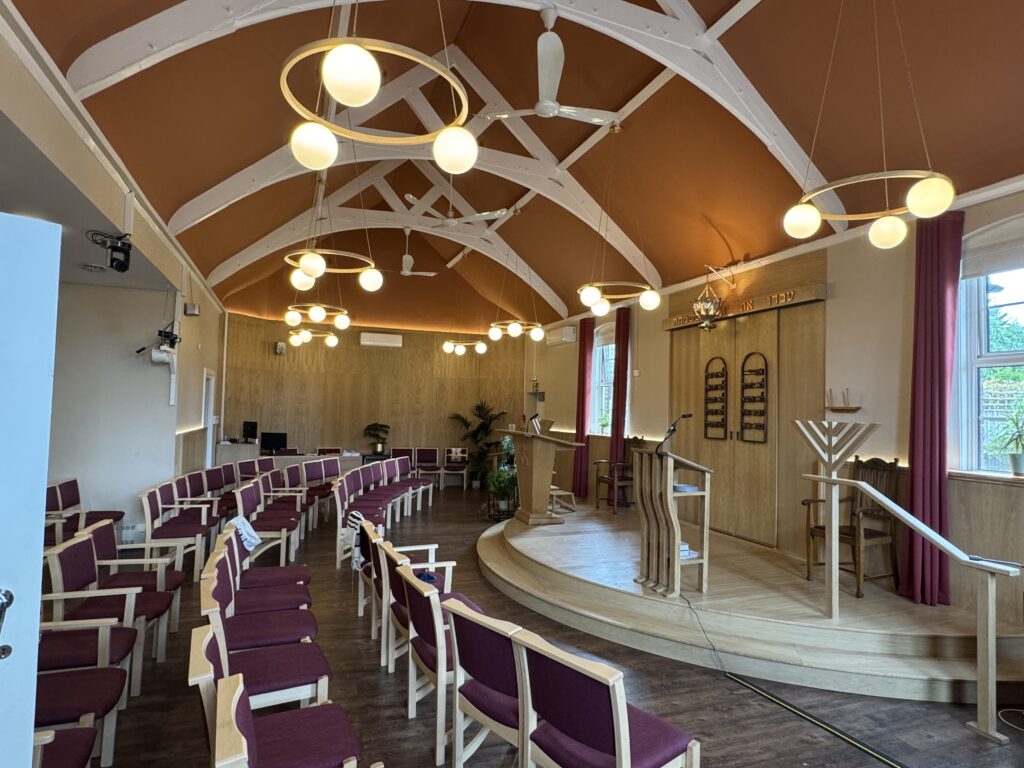
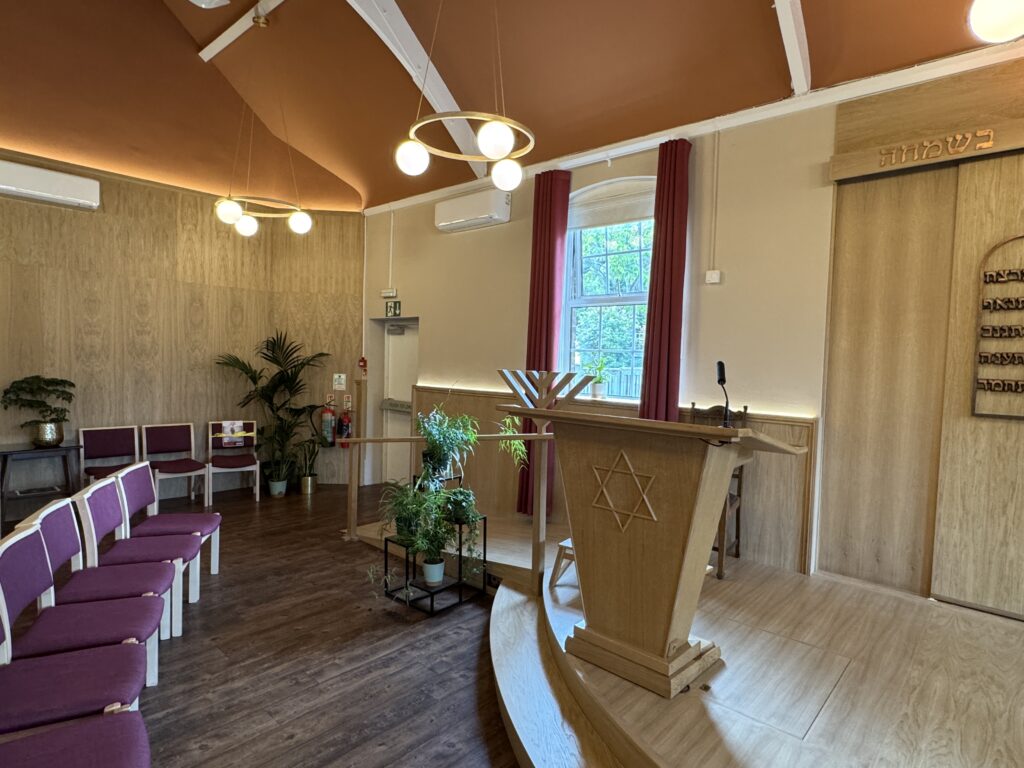
First, I would like to thank Rabbi Lev for inviting me to his pulpit for this Shabbat, a pulpit I had the privilege to hold for seven years until last summer. Before me, Rabbi Charley, who is here today, stood at this very place and taught Torah to the community. And before her, Rabbi Danny fulfilled the same mission as the first-ever full-time rabbi of KLS. But this place looks different today, rejuvenated, renewed, transformed into this splendid synagogue, where I see so many familiar faces alongside many new ones.
People come and go; places are transformed and beautified, but something lives on: the unique spirit of a community that is more than just people and walls. The generations that came before us have left traces of their passage, what the French metaphysicist René Guénon called “Egregore”, the collective entity of a space made up of the memories of countless souls who inhabited it.
I can’t help but think about the very act of renovation, not just the beautiful work done on these walls, but the kind of renewal that happens continuously in relationships. This space facilitates encounters and the formation, evolution, breakdown, and repair of relationships. Occasionally you need to strip things back to the foundation before you can build something better. That’s what we’re exploring in today’s Torah portion.
Learning to Lead
Four rabbis have served full-time in this community, and they each learnt something essential here that they carried into the wider world. Rabbi Danny Rich learnt how to be a rabbi among you and then led Liberal Judaism with tremendous impact. Rabbi Charley Baginsky learned here how to be a rabbi, then implemented her vision of a unified Progressive Jewish movement, extending our values into the public sphere. Rabbi Lev Taylor is learning among you and is building his own unique contribution to the wider Jewish conversation. I too learnt with you what kind of rabbi I wanted to be, exploring dialogical Judaism, a Judaism of encounters and shared stories that builds communities and heals the world, the Judaism of Buber and Levinas.
This pattern reveals something beautiful: relationships don’t just get created, broken and healed here; they become launching pads for sacred work that extends far beyond these walls.
The Courage to Name What’s Broken
Parashat Naso opens with the puzzling ritual of the Sotah, a woman suspected of adultery who undergoes trial by ordeal. While the literal practice disturbs us, the underlying story speaks to something universal: what happens when trust crumbles in our most intimate relationships?
The ritual creates formal space for truth-telling when informal conversation becomes impossible. Sometimes relationships reach points where we can no longer simply talk things through. The hurt runs too deep, suspicion too strong, miscommunication too entrenched. We need something more than good intentions; we need sacred containers that can hold broken trust while creating the possibility for healing.
The healing of relationships often begins not with forgiveness but with the courage to name what has been broken. The Sotah ritual, for all its problems, recognises that some breaches require formal acknowledgement before repair becomes possible.
Sacred Separation
Later, we encounter the Nazirite, someone choosing temporary separation from community life through specific vows. This seems opposite to relationship healing, but there’s profound wisdom about how sometimes we need to step back to step forward authentically.
Some relationships can only be healed through “sacred separation”; not cutting people off, but creating space to see clearly. The Nazirite does not abandon the community; instead, they temporarily change their relationship with it by establishing boundaries that allow for a different kind of presence.
How many difficult relationships might benefit from intentional restructuring? The adult child loving their parent from a distance while setting boundaries; the friend stepping back from unhealthy dynamics to preserve what’s salvageable. This wisdom extends to communal healing.
The Nazirite eventually returns through ritual reintegration. Separation was never permanent; it was preparation for a different connection. Sometimes healing requires wisdom, knowing when to pull back and when to reengage.
The Particularity of Each Relationship
One overlooked section contains repetitive tribal gifts for altar dedication. Each tribe brings identical offerings, yet Torah records each separately, as if unique.This chapter teaches us that every connection is particular, even when basic needs look similar from outside.
Rebuilding trust with your spouse differs from rebuilding trust with your sibling; however, both processes require honesty, accountability, and patience. This community’s approach to nurturing rabbis reflects this: each learnt something different and developed different gifts. Same community, same growth commitment, but each relationship produced unique fruit.
The Priestly Blessing as Blueprint
All culminates in the priestly blessing found in our Torah portion: “May God bless you and keep you. May God’s face shine upon you and be gracious to you. May God lift up the divine countenance upon you and grant you peace.” This isn’t just prayer for individual well-being—it’s a blueprint for creating conditions where healing becomes possible.
“May you be blessed and kept”, know your worth and feel secure enough for vulnerability. “May God’s face shine upon you”, experience being truly seen and accepted. “May God grant you peace”, find wholeness through authentic connection.
The blessing expands like ripples on water. This is how healing happens, not through dramatic gestures, but through expanding circles of recognition, grace, and peace. This is how this community’s impact has grown, each rabbi creating ever-widening circles of influence and healing.
Tikkun Olam Begins Here
When we heal our most challenging relationships, we participate in something larger than personal happiness. Every act of repair creates ripples. The parent learning authentic apology teaches children that relationships can be mended. The spouse rebuilding trust after betrayal teaches that love is stronger than failure.
The ancient rabbis taught that whoever makes peace between husband and wife builds an altar. I extend this: whoever does patient work healing any relationship participates in the holy work of repairing our broken world needs.
Tikkun olam – healing the world – begins with tikkun in our most challenging personal connections, but doesn’t end there. We cannot create wholeness in the wider world while intimate relationships remain chronically wounded, but neither can we stop with personal healing when our communities cry out for repair.
Our Sacred Work
When we leave this restored sanctuary today, may we carry not just inspiration from physical renovation but commitment to relational renewal. May we find courage to name what’s broken, wisdom to know when separation serves connection, and patience for each relationship’s irreplaceable particularity.
May we create sacred space where truth can be spoken and heard. May we learn to show up authentically, even when uncomfortable. And may we remember that healing happens through the persistent choice to keep showing up for the difficult work of love.
Relationships can be more than healed. They can become generative, creating new possibilities for ever-widening circles of connection and repair. The priestly blessing reminds us we are meant to bless one another. Sometimes the most blessed thing we can do is the hard work of repair, creating conditions where souls can meet, trust can be rebuilt, love renewed, and particular gifts can flourish and extend into the world.
The work of healing relationships isn’t just personal. It’s political, communal, and spiritual. It’s the foundation for healing our broken world. And it begins, always, with the courage to show up authentically in the relationships that matter most.
Ken yehi ratzon – May this be God’s will.