
Parashat Sh’lach Lecha – Pride Shabbat
Kingston Liberal Synagogue
28 June 2024 / 22 Sivan 5784
Each year, Pride Month unites the LGBTQ+ community in celebration and reflection. For us in the Jewish world, Pride Shabbat offers a moment to look back over the past 40 years and marvel at our progress. Who could have imagined that by 2024, Leo Baeck College would have ordained nearly 30 LGBTQ+ rabbis, most now serving in mainstream synagogues? This acceptance is a triumph, yet it’s naive to assume the struggle is over. In our corner of the world, in the Royal Borough of Kingston, being LGBTQ+ is unremarkable—a quiet norm. But beyond these walls, even within our own country, that’s far from universal. Young people still grapple with self-acceptance, a burden that remains the leading cause of teenage suicide. Hate crimes against our community persist, alongside casual slurs some still find amusing. Progress, yes—but not perfection.
I’m not an activist. I don’t march under banners or shout slogans. Not because I don’t care—I do, deeply—but because my gay identity is simply one aspect of the fabric of who I am. I neither flaunt it nor hide it; it’s a fact, like my love for this community or my role as your rabbi. If that unsettles anyone, the discomfort is theirs, not mine. Yet I understand why some embrace pride with defiance. Standing up is a declaration that, after centuries of mockery, exclusion, and violence, we—gay, lesbian, bisexual, and transgender—are here, have always been here, and we’re not going back into the shadows. Visibility is our strength, and we refuse to be erased.
My true pride lies in you, Kingston Liberal Synagogue. You welcomed a gay rabbi without hesitation, creating a sanctuary where our LGBTQ+ families and members thrive. We don’t proselytise or threaten; we simply belong, contributing to this community’s vitality as equals. That’s the beauty of KLS—a quiet, unshakeable embrace.
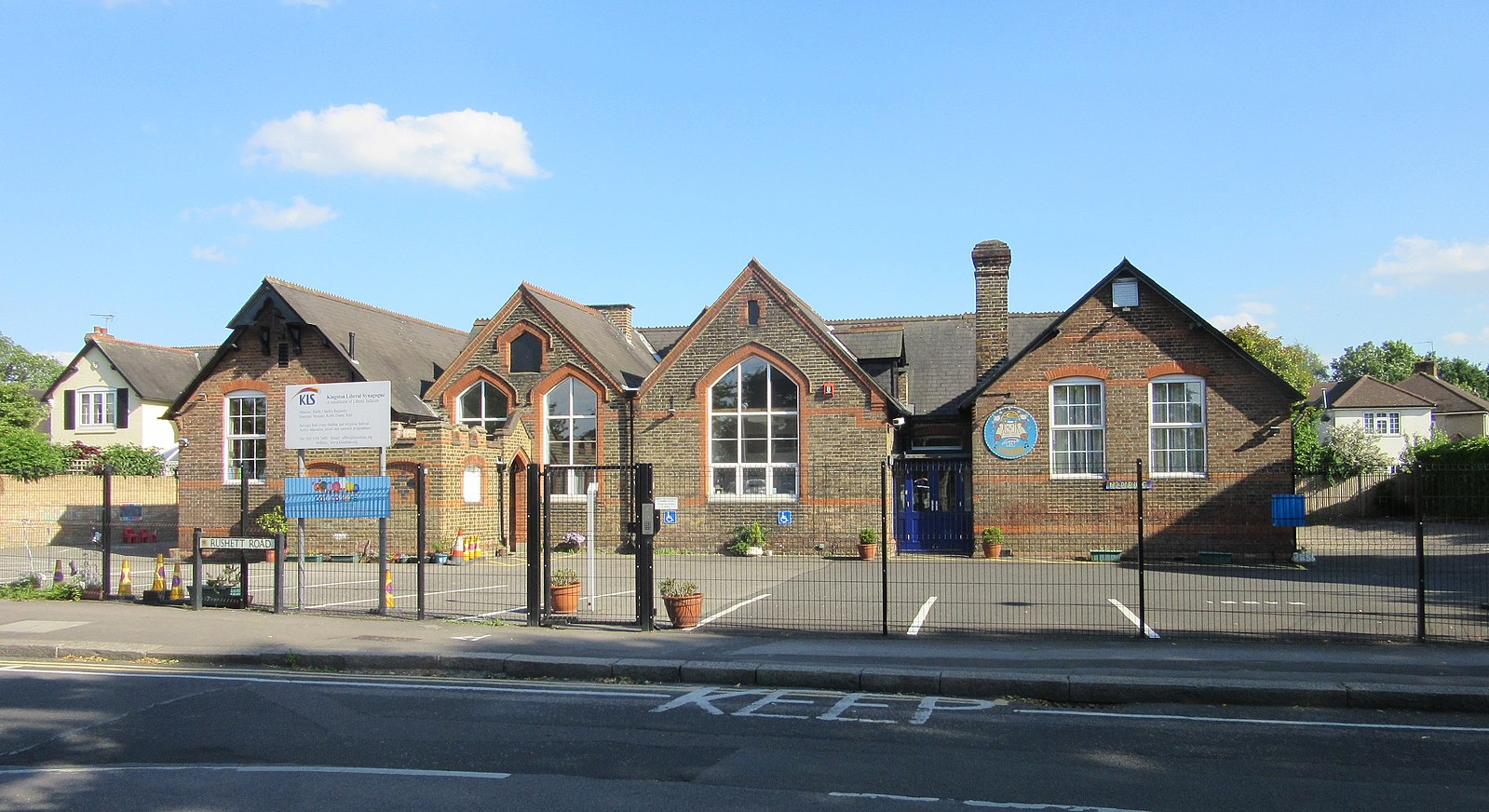
Kingston Liberal Synagogue, Long Ditton.

This year, though, Pride Shabbat carries a shadow. On 12 June, Pride in London issued a statement supporting “all those suffering from the devastating war and genocide in Gaza and all innocent civilians in both Israel and Palestine subjected to terror and violence.” The word “genocide” sparked a rift. Keshet UK and West London Synagogue—stalwarts of Jewish LGBTQ+ advocacy—withdrew from the 29 June march, citing safety concerns for their members after a bruising year for British Jews. Instead, they’ve opted for picnics, a retreat from the streets. The decision stings, not because it’s wrong, but because it reveals a wound: Jews in our open, liberal city now feel unsafe.
Their dilemma was impossible. March, and risk being tied to accusations of genocide plastered across banners. Stay away, and face claims of indifference to Palestinian suffering. It’s a no-win scenario, and their caution feels prudent—radical voices in a crowd can turn volatile. But this fracture exposes a deeper failure. Intersectionality’s noble intent, which linked the Palestinian cause with LGBTQ+ struggles, has backfired, alienating Jewish LGBTQ+ people who live at the intersection of antisemitism and homophobia. What began as a call for justice has splintered humanity into competing identities, sidelining the universal story of shared suffering.
Imagine “Queer for Palestine” staging a Pride march in Ramallah. The irony would be stark: the very society they champion would crush them, while Israel—the supposed villain—offers freedoms they’d never find elsewhere in the region. If your solidarity excludes me, it’s flawed. If we are unable to create a story that encompasses all the facets of humanity, we have lost our direction. The majority of Jewish LGBTQ+ individuals I know deeply sympathise with the plight of the Palestinians, yet they find themselves overlooked this year.
Pride is political. Beyond the joy, the music, and the glitter, it’s a minority’s claim to belong—a fight still unfinished in too many places. This year’s theme, “We Are Everywhere”, rings true: we’ve been part of humanity since its dawn. But not all of us will march this time. Pride has alienated a part of its own soul by turning a distant conflict into a test. The universal cry for peace and acceptance at its heart has faltered, and that’s a tragedy.
At KLS, we’ll hold fast to what we’ve built: a home where all are seen, heard, and valued. Pride Shabbat reminds us to keep weaving that tapestry—broad, bold, and unbroken.