
Towards a Narrative of Complexity.
I spent the last week of February in Israel, where I joined a group of UK Rabbis led by Yachad UK. We visited the Nova Festival site, where 440 kids were slaughtered after a night of partying; spoke with residents of Kibbutz Nirim; heard one man who talked about the harrowing hours he tried to keep his family safe from Hamas; and travelled to the West Bank. There, we witnessed a village destroyed by settlers following October 7, part of a larger pattern affecting 15 villages. A settler attempted to run us over with his truck, and later in Hebron, we faced verbal abuse from settlers’ children. We also met with peace activists, Palestinians and Israelis, who, despite the absence of trust, are trying to keep the communication open and to imagine a better future together.
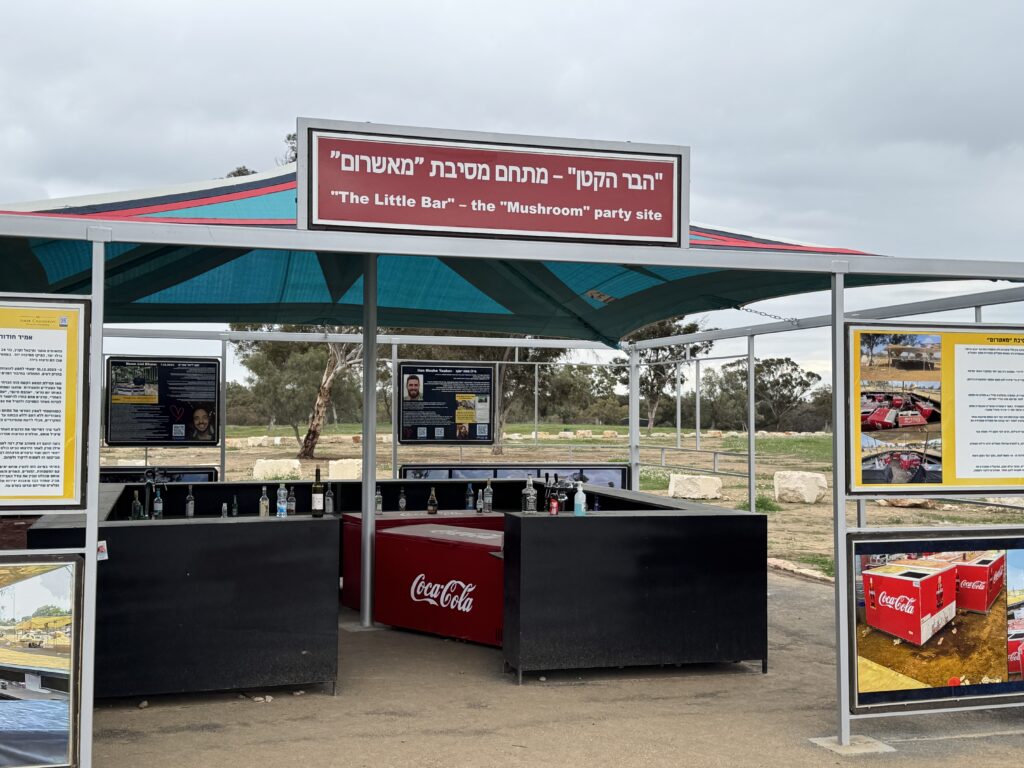
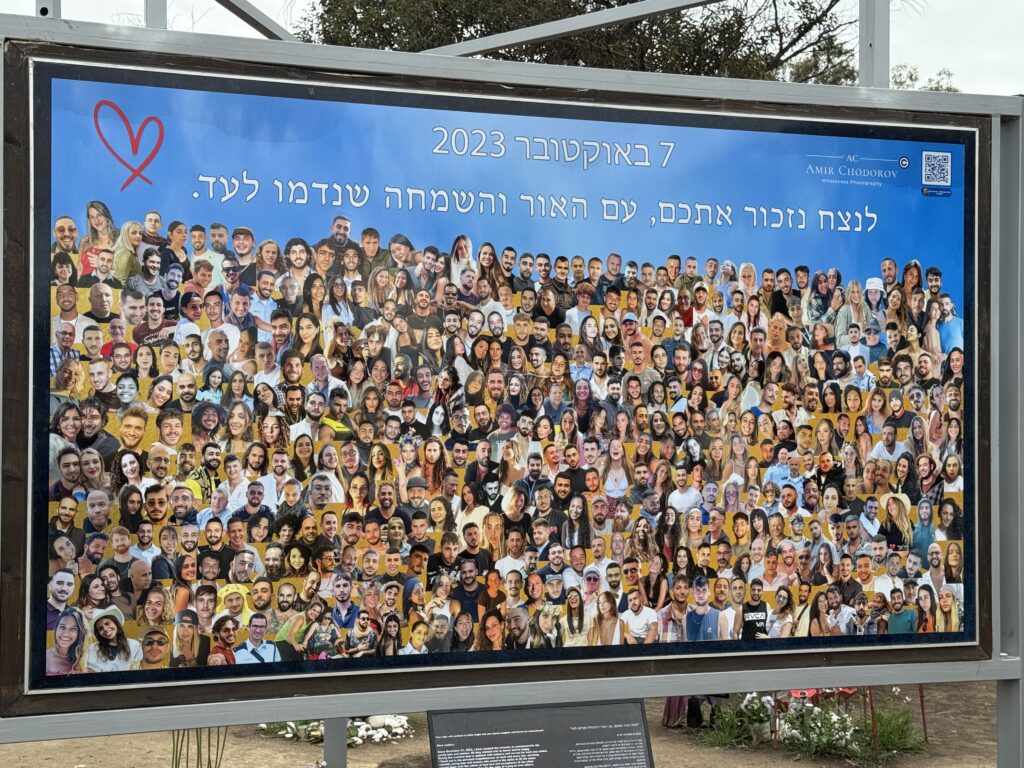
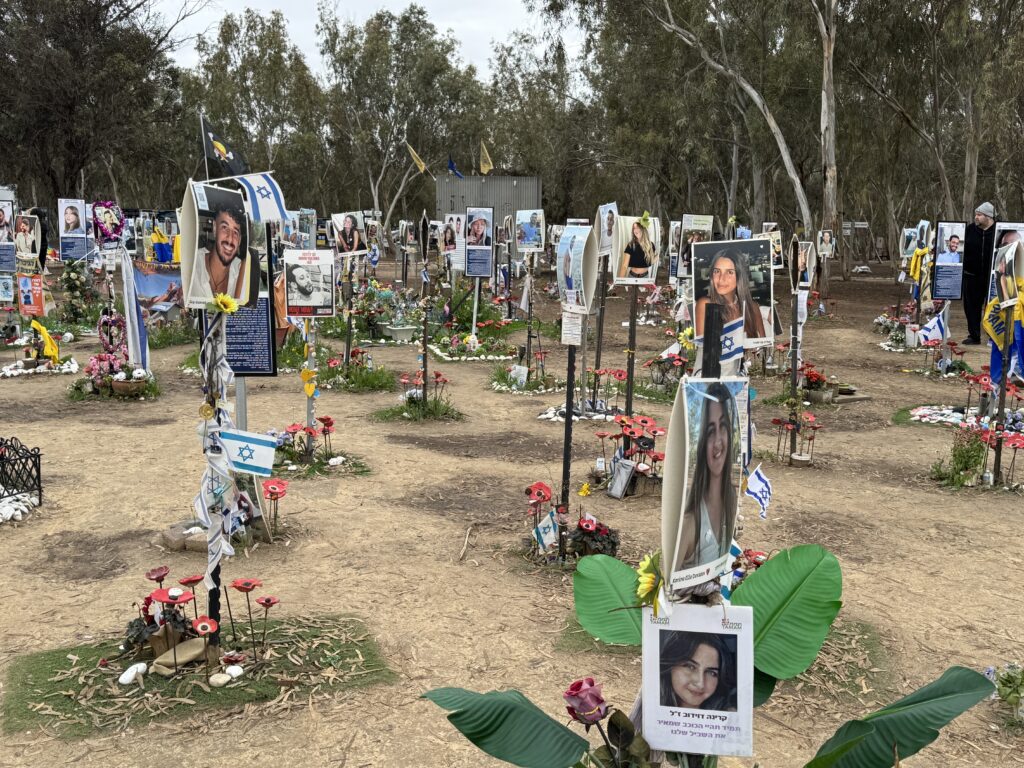
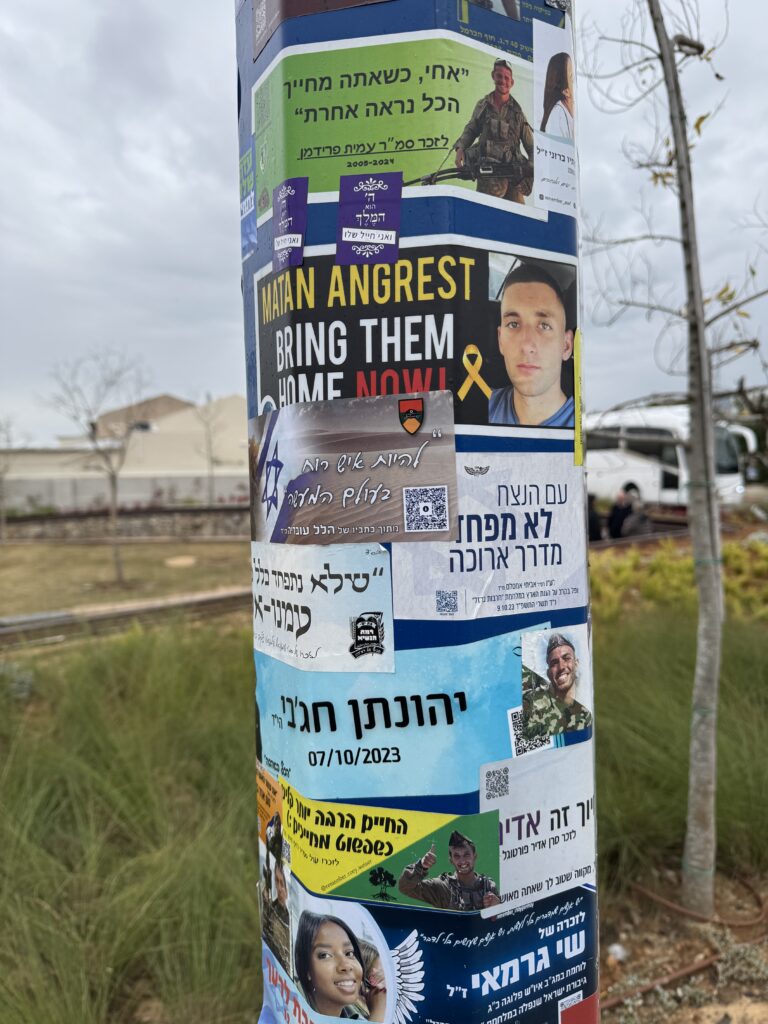
The complexity of this conflict is the two narratives that it presents, each with its own perspective. The Israeli perspective was presented to us when we visited the Nova Festival site, with all these young lives cut short, and the city of Sderot, where Hamas killed 80 people, leading to the evacuation of a kibbutz for security reasons. In total, over 1,200 individuals were brutally slaughtered by Hamas, and 250 were taken hostage. I attended a forum for the families of hostages near the Israeli PM’s residence on the day the Bibas family was buried, where we released orange balloons in their memory. The photos of the smiling babies and their mother will haunt me until my last day.
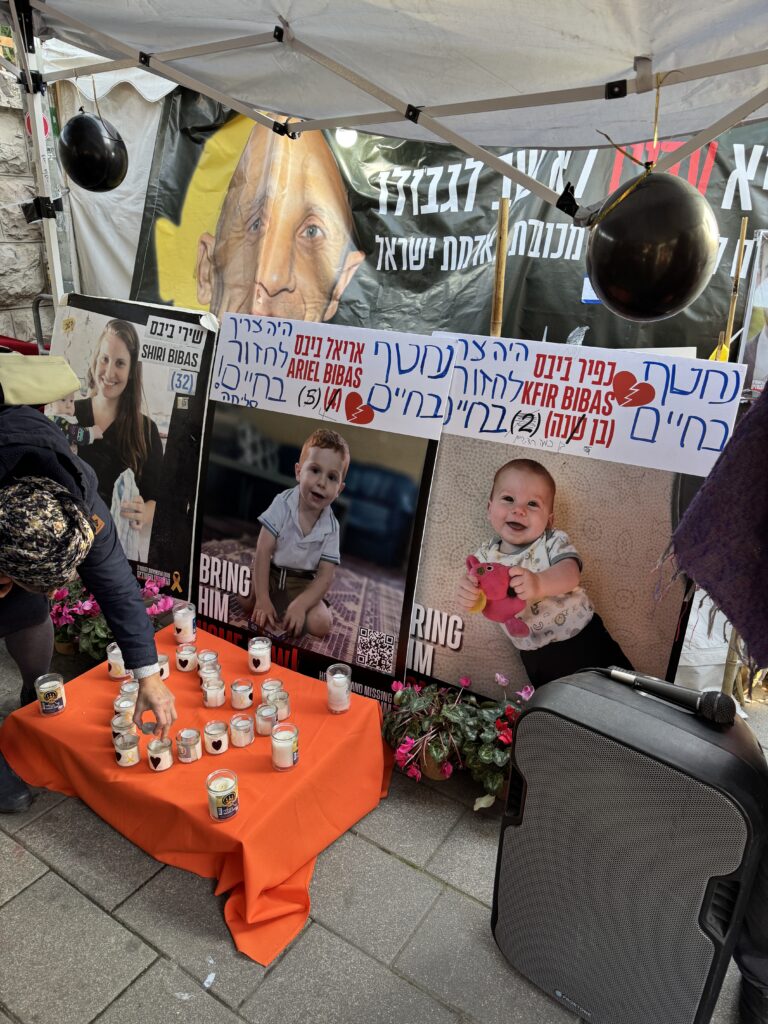
The trauma in the country is profound, and the ongoing captivity of hostages in Gaza complicates the grieving process.
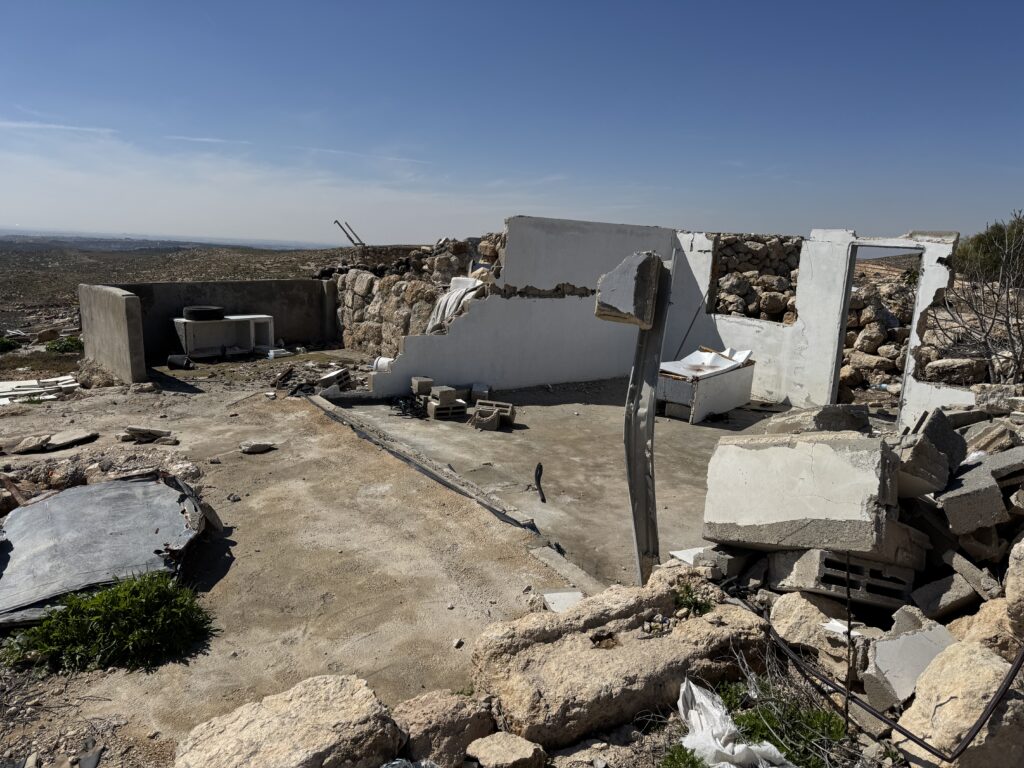
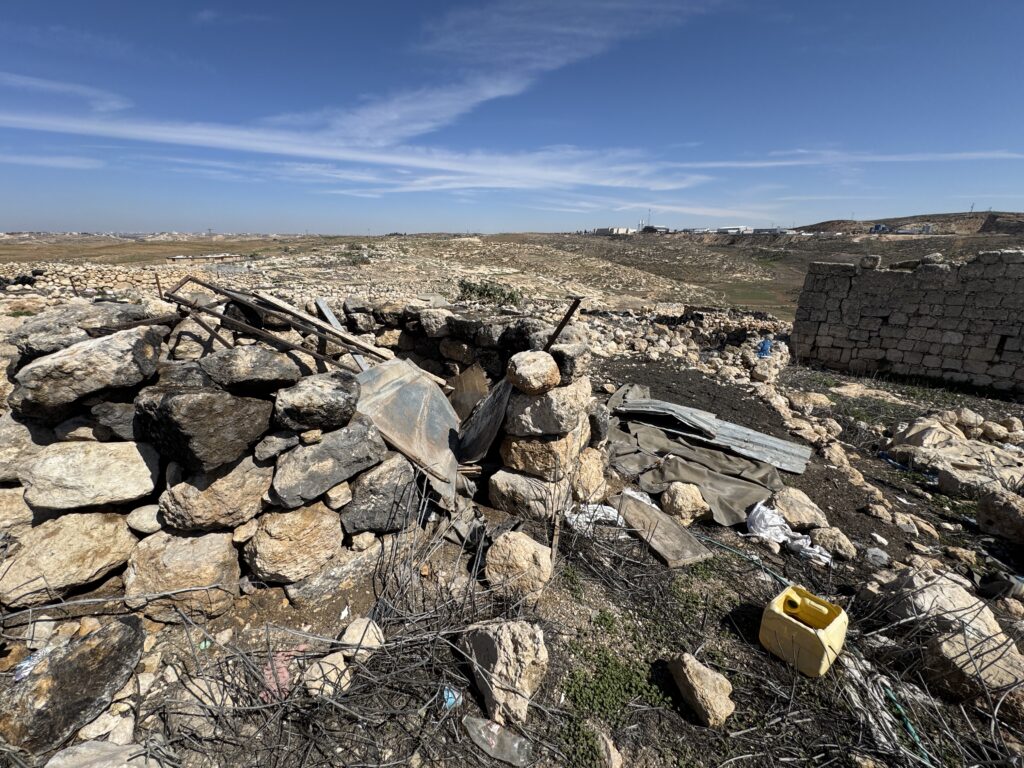
Conversely, from the Palestinian perspective, we observed the devastation in northern Gaza, where hundreds of thousands are displaced in such a confined area. We saw a Palestinian village – one out of 15 – destroyed by settlers without repercussions from the police or the army, who don’t defend them. In Hebron, we witnessed two Palestinian girls being physically abused by the children of the settlers. These kids came to us, spat at us, insulted us, and threw eggs at us. In the West Bank, settlers gradually appropriate Palestinian land through intimidation and violence.
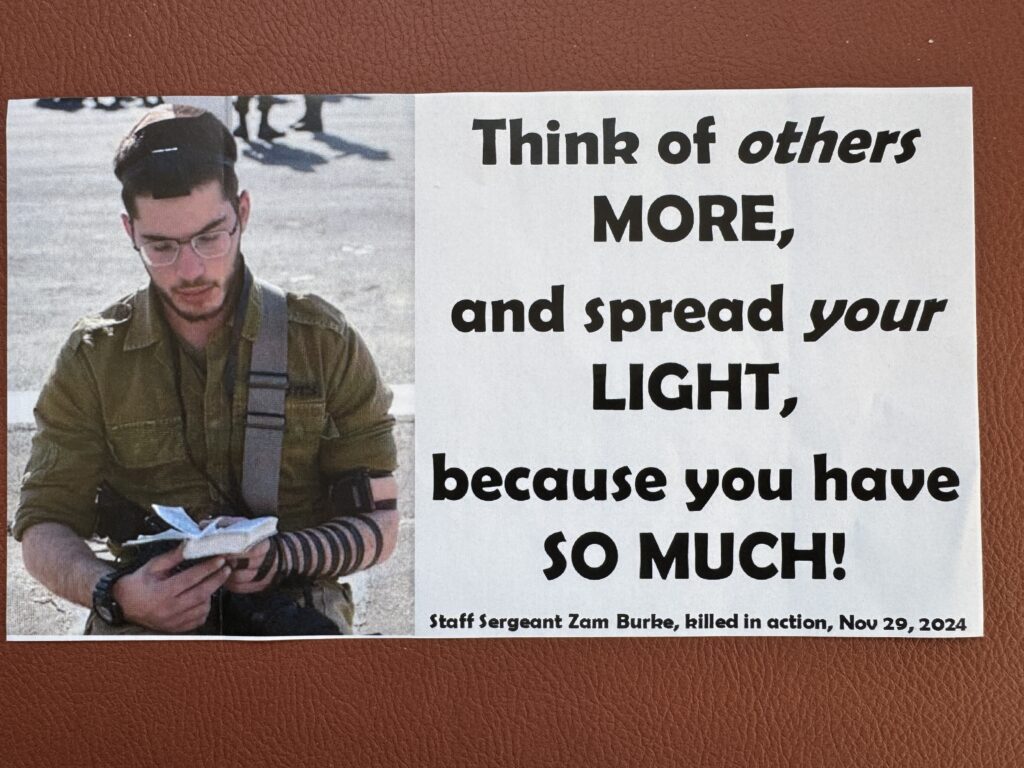
Many people align with one side of the conflict and can only see one perspective. It seems that our world is incapable of thinking about complexity. Some perceive Palestinians as terrorists intent on killing all Jews, while others view Israel as a rogue state committing ethnic cleansing against a vulnerable population.
Both perspectives seem irreconcilable, and yet, each contains some elements of truth. Hamas, supported by Iran, seeks to destroy Israel, while some settlers in the West Bank and far-right members of the Israeli Knesset aim to resolve the Palestinian issue through the expulsion of all non-Jewish inhabitants through terror.
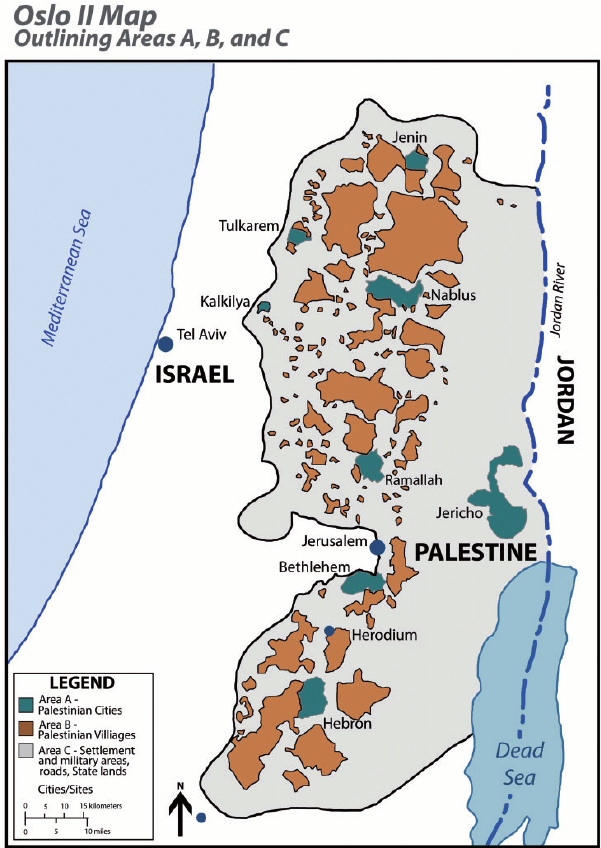
West Bank Areas A, B and C.
After my trip, I realised we need a new approach to discussing the situation. We must find fresh language, identify the root causes, and embrace complexity.
To grasp this complexity, we should consider several key factors:
Historical Narratives: Israelis and Palestinians have strong narratives that shape their views, Shoah versus Nakbah. These narratives often clash, making it hard to find common ground, as they are both rooted in sufferings.
Land and Territory: Disputes over land ownership of this region are at the heart of the conflict. Competing claims to the same territory, including Jerusalem, worsen tensions.
Security Concerns: Israel’s security worries come from Palestinian terrorist attacks and shape its policies toward them. Likewise, Palestinians have security issues linked to Israeli military actions, settlers’ violence in the West Bank and, overall, movement limits. There are now about 800 checkpoints in the West Bank.
Political Divisions: Israeli and Palestinian societies are divided, with different political factions complicating peace efforts. The most vocal at the moment are the most radical on both sides, those who do not want peace.
Religious Significance: The region is very important for Jews, Muslims, and Christians, adding to its complexity. To a certain extent, the entire region is a fantasy, a fantasy of a distant past that both use to justify their claims.
International Involvement: The conflict draws international attention. Many countries and organisations often focus on their own interests rather than true conflict resolution.
I think that it is now time to create a narrative that offers solutions, not one that fuels this ongoing crisis.
To build a constructive narrative, we must move beyond “us vs. them” frameworks. We need a more nuanced, empathetic, and future-orientated approach. Here’s a framework:
Acknowledge shared humanity: recognise the humanity in every human being and acknowledge the pain felt by both Israelis and Palestinians.
Promote dialogue: Create chances for meaningful conversations, active listening, and building trust. Currently, trust is in ruins, and without it, nothing can be accomplished.
Emphasise interconnectedness: Remind both sides that their futures are linked; peace requires cooperation. As one man told us, either we will learn how to live together, or we will die together.
Move beyond blame: Focus on finding solutions rather than blaming past actions. Maybe it is time to go beyond historical traumas that hinder any chance of a future free from suffering.
Emphasise justice: Uphold the rights and dignity of both Israelis and Palestinians, including self-determination and freedom from discrimination.
Build a future-orientated vision: imagine a shared future and use language that goes beyond conflict.
By weaving these ideas into a new narrative, we can break harmful cycles and create a hopeful path forward. We have seen this method work in Northern Ireland, France, and Germany. There is no other choice, neither for “them” nor for “us”, as everything that happens in the Middle East impacts our own security here in Europe.
Photos are mine, unless otherwise stated.