There’s an old tale about an eastern monarch who challenged the wise men of his kingdom to craft a sentence that would hold true in every circumstance, no matter the highs or lows. After deep deliberation, they offered him this: “This too shall pass away!” At first glance, it’s a simple phrase, yet it carries profound comfort. It whispers to us not to cling too tightly to joy or despair, for both the good and the hard times are fleeting.
This wisdom echoes in Buddhism through the teaching of impermanence. Picture this: a century from now, this synagogue will hum with new voices, and none of us will be here to witness it. Everything—our joys, our struggles, even life itself—passes. But far from a cause for gloom, this truth invites us to let go of worry and embrace the moment we’re given, making the most of our time.
Judaism also incorporates impermanence into its traditions, and I contend that Sukkot is the festival that celebrates it. For seven days, we’re called to dwell in sukkot—fragile booths with roofs of organic material, open to the sky. Halakha is meticulous about their design: three walls, a covering of branches thick enough to offer more shade than sunlight yet sparse enough for rain to seep through. In Leviticus, the sukkah recalls the shelters God provided the Children of Israel in the wilderness—a symbol of divine care amid human vulnerability. It’s a gentle nudge to acknowledge our fragility, the impermanence of our existence.
This theme isn’t new to the Yamim Noraim. On Yom Kippur afternoon, we read the Book of Jonah. After preaching repentance to Nineveh and witnessing their transformation—and God’s mercy—Jonah retreats to the city’s edge. There, he builds a sukkah and sits in its shade, watching, waiting to see what becomes of Nineveh (Jonah 4:5). God sends a ricinus plant to shield him from the sun, and Jonah delights in it. But when a worm destroys the plant, leaving him exposed and miserable, he despairs, even wishing for death. God’s response is striking: “You cared for this plant, which you neither planted nor nurtured, which sprang up overnight and withered overnight. Should I not care for Nineveh, that great city with over a hundred and twenty thousand souls who scarcely know right from wrong, and countless animals besides?” (Jonah 4:10-11).
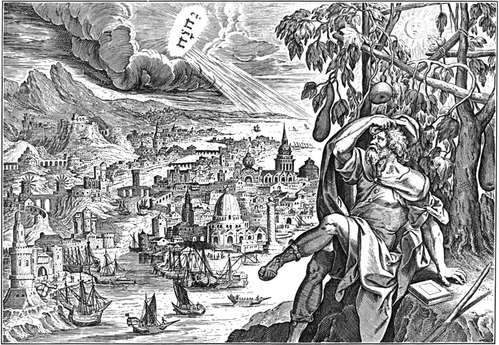
Jonah’s sukkah, unlike the peaceful shelters we celebrate, becomes a perch for his cynicism. He waits, not for hope, but for disaster, stewing in frustration even after Nineveh’s redemption. It’s telling that our Rabbis of Blessed Memory urge us to build our sukkot right after Yom Kippur’s fast ends. Ours are different—places of awareness, yes, but also of joy. They remind us life is finite, yet they call us to rejoice within it.
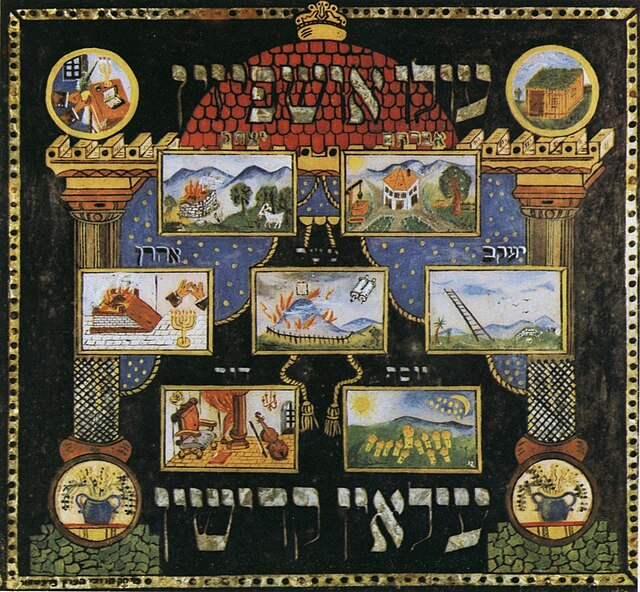
One beautiful custom, rooted in Lurianic Kabbalah, is the Ushpizin prayer, where we invite the seven shepherds of Israel—Abraham, Isaac, Jacob, Moses, Aaron, Joseph, and David—into our sukkah. This tradition spills into the present as we welcome friends and neighbours to share meals beneath the branches, embodying hospitality and connection. Sukkot earns its name, zman simhatenu, “the time of our happiness,” culminating a week later in Simhat Torah, the celebration of the Torah. Together, the Yamim Noraim guide us through a journey—from solemn self-reflection to a hopeful, vibrant new beginning.
If we stop short of this journey, we risk lingering like Jonah, brooding in discontent beneath our sukkah. Our tradition doesn’t peddle naive optimism; we know life can be harsh, unjust, and painful, both personally and collectively. Instead, it offers a cautious, reasoned optimism—a choice to find light amid the shadows. So, do not despair. Gam zeh ya’avor—this too shall pass.